Overcoming Common Challenges in B2B Plastic Furniture Export: Strategies for Exporters
May 08,2026
The B2B plastic furniture export market offers significant opportunities for growth, but it also presents unique challenges—from navigating complex trade regulations to competing with global suppliers and meeting evolving buyer expectations. For exporters, overcoming these challenges is essential to boosting inquiry volumes, securing repeat orders, and building a strong global brand. In this blog, we’ll explore the most common obstacles faced by plastic furniture exporters and provide actionable strategies to address them, helping you thrive in the competitive B2B export landscape.
One of the biggest challenges for exporters is navigating the increasingly strict international trade regulations and technical barriers. Global environmental policies—such as the EU’s CBAM (Carbon Border Adjustment Mechanism) and the U.S.’s expanded phthalate testing requirements—are raising compliance costs and complexity for exporters. For example, the EU now requires plastic furniture to meet strict recycled material quotas, while Japan has extended UV resistance testing from 1000 hours to 2000 hours. Non-compliance can result in delayed shipments, increased tariffs, or even product bans—costing exporters time and money.
To address this challenge, exporters must prioritize regulatory compliance as a core part of their business strategy. Start by conducting thorough research on the regulatory requirements of your target markets—including环保 standards, safety certifications, and trade tariffs. Partner with third-party certification bodies to obtain necessary certifications (CE, ISO, FDA, GCC) and ensure your products meet all local standards. Additionally, invest in sustainable manufacturing processes—such as using recycled materials and reducing carbon emissions—to align with global environmental trends and comply with regulations like CBAM. By proactively addressing compliance, you’ll build trust with buyers and avoid costly disruptions to your export operations.
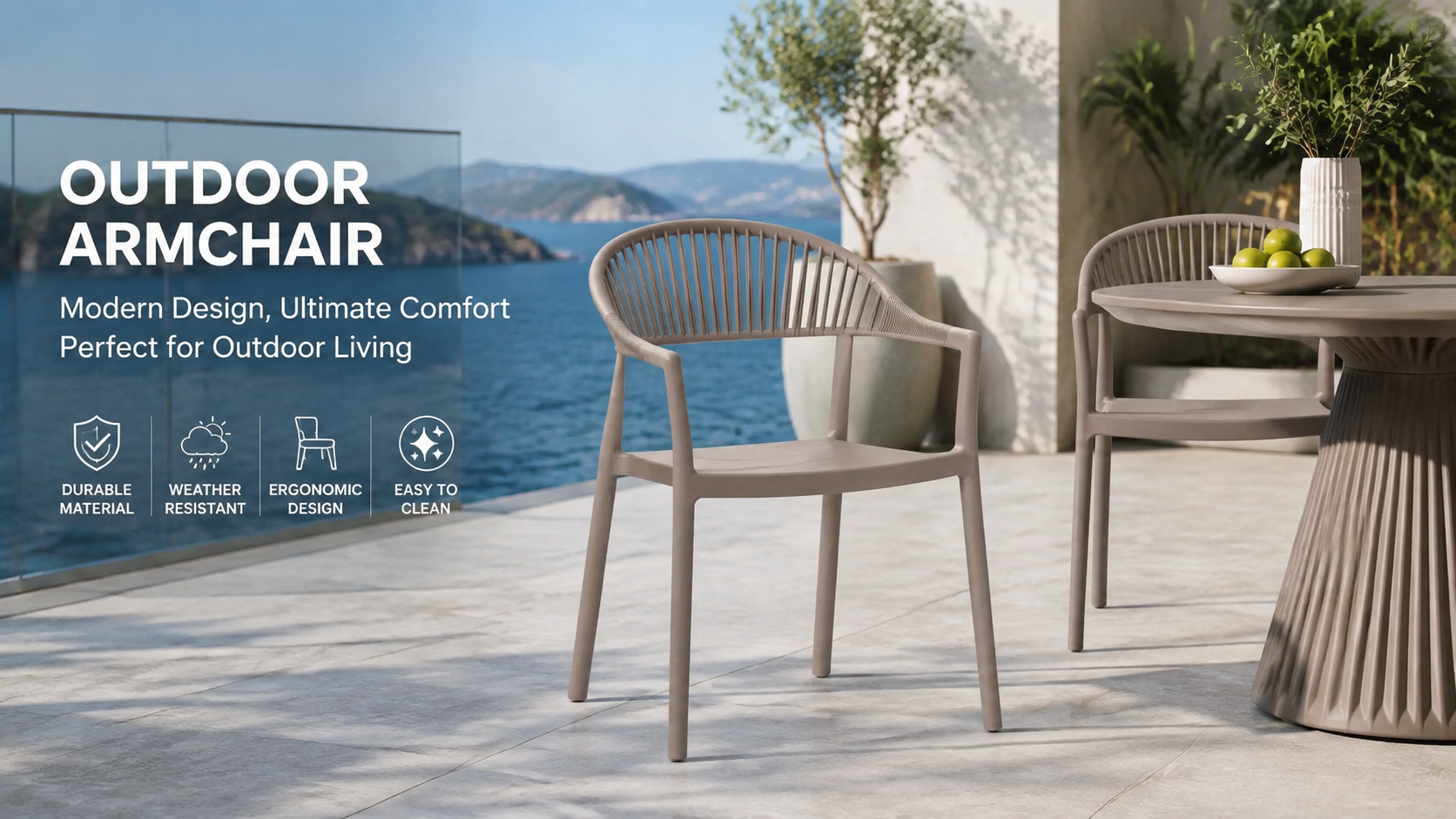
Another major challenge is standing out in a crowded market dominated by price competition. Many exporters focus solely on offering the lowest price, which leads to thin profit margins and unsustainable growth. Instead, exporters should differentiate themselves by highlighting their unique value propositions—such as product quality, customization capabilities, and customer service. For example, emphasize the durability of your PP plastic chairs (with a 3-5 year service life for commercial use), your ability to offer OEM/ODM customization (e.g., branded logos, custom colors), or your fast delivery times (7-15 days for bulk orders). Additionally, showcase your sustainability credentials—such as using 100% recycled plastic or carbon-neutral manufacturing—to appeal to eco-conscious buyers in Europe and North America.
Building trust with overseas B2B buyers is another critical challenge—especially for new exporters. International buyers often face uncertainty when sourcing from foreign suppliers, including concerns about product quality, delivery reliability, and after-sales support. To build trust, exporters should be transparent about their manufacturing processes, quality control measures, and company capabilities. Share factory photos, production videos, and customer testimonials on your website and social media channels. Offer free pre-shipment samples (with freight collect) to allow buyers to inspect product quality firsthand. Additionally, provide clear and detailed product specifications, pricing, and delivery terms—avoiding vague language that can lead to misunderstandings. Establishing a responsive customer service team that can address buyer inquiries quickly (within 12 hours) will also help build confidence and foster long-term relationships.
Logistics and supply chain management are also common pain points for B2B plastic furniture exporters. Plastic furniture is lightweight but bulky, which can lead to high shipping costs—especially for large bulk orders. Additionally, global supply chain disruptions (e.g., port delays, shipping container shortages) can cause delivery delays, leading to buyer dissatisfaction. To address these issues, exporters should optimize their logistics strategy by partnering with reliable freight forwarders who specialize in B2B furniture exports. Negotiate long-term contracts with freight companies to secure competitive shipping rates, and consider using alternative shipping routes or ports to avoid delays. Additionally, maintain adequate inventory levels to ensure fast delivery times, and communicate proactively with buyers about shipping status—providing tracking information and updates on any potential delays.
Finally, adapting to shifting buyer preferences and market trends is essential for long-term success. As B2B buyers increasingly prioritize sustainability, customization, and functional design, exporters must continuously innovate their products and services. Invest in research and development to develop new products—such as smart plastic furniture or modular designs—that align with market trends. Gather feedback from existing buyers to identify areas for improvement, and stay updated on regional market preferences (e.g., UV-resistant designs for the Middle East, recycled materials for Europe). By staying agile and responsive to market changes, you’ll position your business as a forward-thinking supplier that can meet the evolving needs of B2B buyers.
While the B2B plastic furniture export market presents significant challenges, it also offers tremendous opportunities for exporters who are willing to invest in compliance, differentiation, and customer trust. By implementing these strategies, you’ll be able to overcome common obstacles, attract high-value inquiries, and build a successful global export business.
Comment