Plastic Chairs for Restaurants: The Ultimate B2B Sourcing Guide for Wholesale Buyers
Apr 23,2026
For B2B wholesale buyers, restaurant owners, and hospitality project managers, choosing the right seating solution is a critical decision that impacts customer experience, operational efficiency, and long-term profitability. In the dynamic hospitality industry—where quick service restaurants (QSRs), casual diners, and cafes are expanding rapidly—plastic chairs have emerged as the go-to choice for commercial seating. The global plastic restaurant furniture market is projected to grow at a CAGR of 5.9% from 2025 to 2030, reaching $5.71 billion by 2030, driven by the demand for durable, cost-effective, and versatile seating solutions. This blog is tailored for B2B exporters, wholesalers, and procurement teams, exploring why plastic chairs are ideal for restaurants, key factors to consider when sourcing, and how to partner with reliable suppliers to elevate your restaurant seating business.
Why Plastic Chairs Are Essential for Modern Restaurants
Restaurants operate in high-traffic, fast-paced environments, where seating must balance durability, functionality, and aesthetics—all while remaining cost-effective. Plastic chairs outperform traditional wooden, metal, or fabric chairs in these areas, making them a staple for B2B hospitality procurement. Here’s why they are the preferred choice for restaurants worldwide:
1. Unmatched Durability for High-Traffic Environments
Restaurant seating endures constant use, frequent movement, and occasional spills—requirements that plastic chairs are engineered to meet. Crafted from commercial-grade polypropylene (PP) or high-density polyethylene (HDPE), these chairs are resistant to scratches, stains, and impact, ensuring a long service life even in the busiest QSRs and casual dining spots. Unlike wooden chairs that warp or metal chairs that rust, plastic chairs maintain their structural integrity for 3–5 years of heavy commercial use, reducing replacement costs and boosting ROI for restaurant owners. This durability is a key selling point for B2B buyers, who prioritize long-lasting products to minimize maintenance expenses.
2. Space-Saving & Operational Efficiency
Most restaurant plastic chairs feature stackable or modular designs—an essential feature for establishments with limited storage space. Stackable models can be easily stored when not in use, freeing up floor space for peak hours, events, or cleaning routines. This space-saving design also reduces shipping costs for B2B wholesale buyers, as more chairs can be packed per container, lowering logistics expenses. For restaurants with flexible layouts, modular plastic chairs offer versatility, allowing owners to rearrange seating to accommodate groups, private events, or seasonal changes— a trend that has seen 37% growth in eco-friendly and modular designs for restaurants.
3. Cost-Effective & Budget-Friendly for Bulk Procurement
B2B buyers and restaurant owners alike prioritize cost without compromising quality—and plastic chairs deliver on both. Compared to wooden or metal alternatives, plastic chairs are more affordable to manufacture and source in bulk, with wholesale prices ranging from $1.80 to $6.00 per piece depending on material and design. This cost-effectiveness makes them ideal for large-scale restaurant projects, franchise expansions, or budget-conscious establishments. Additionally, their low maintenance requirements—no painting, staining, or rust treatment—reduce long-term operational costs, making them a smart investment for hospitality businesses.
4. Easy to Clean & Hygienic
Hygiene is non-negotiable in the restaurant industry, and plastic chairs simplify cleaning and sanitization. Unlike fabric chairs that absorb spills and harbor bacteria, plastic surfaces can be wiped down quickly with standard cleaning agents, ensuring compliance with food safety regulations (such as FDA standards for food-contact environments). This ease of cleaning saves restaurant staff time, improves operational efficiency, and enhances customer trust—all critical factors for B2B buyers sourcing seating for foodservice establishments.
5. Versatility in Design & Customization
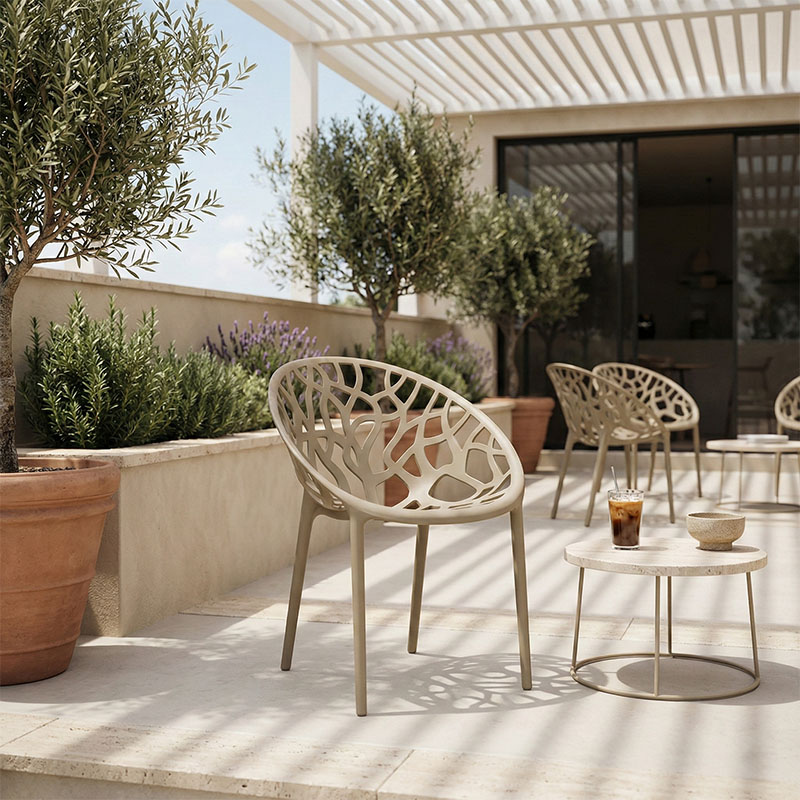
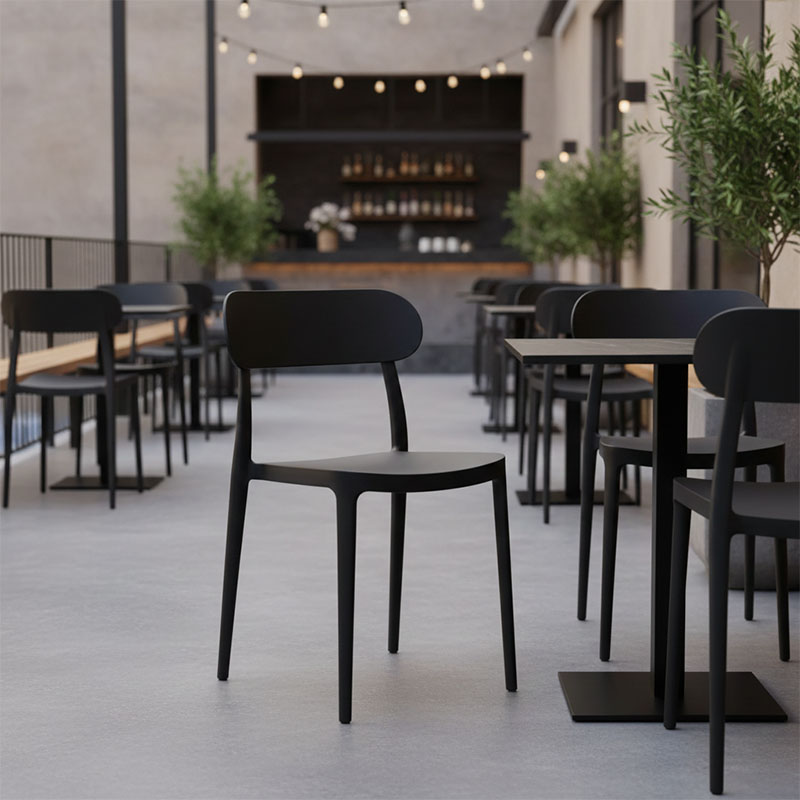
Gone are the days of plain, utilitarian plastic chairs. Modern restaurant plastic chairs come in a wide range of designs, colors, and styles, from sleek monoblock models ideal for fast-food restaurants to ergonomic armchairs suited for casual diners and cafes. B2B buyers can source chairs that align with a restaurant’s brand aesthetic—whether it’s vibrant colors for a trendy café or neutral tones for a sophisticated bistro. Additionally, reputable suppliers offer OEM/ODM customization, including custom colors, logo printing, and even unique designs, allowing buyers to differentiate their seating solutions and cater to specific restaurant themes.
Key Factors for B2B Buyers Sourcing Plastic Chairs for Restaurants
When sourcing plastic chairs for restaurant clients, B2B wholesale buyers and procurement teams must prioritize factors that align with commercial needs, regulatory compliance, and long-term value. Here are the critical considerations to ensure successful sourcing:
1. Material Quality: Prioritize Commercial-Grade PP/HDPE
Not all plastic chairs are suitable for restaurant use—only commercial-grade materials deliver the durability and performance required. PP (polypropylene) is the most popular choice for restaurant chairs, offering UV resistance, recyclability, and a balance of durability and cost. HDPE (high-density polyethylene) is ideal for outdoor restaurant patios, as it is highly weather-resistant and can withstand extreme temperatures. Avoid low-quality PVC chairs, which are less durable, not eco-friendly, and only suitable for indoor use with light traffic. Always verify material certifications to ensure compliance with regional standards (e.g., CE for Europe, FDA for food-contact environments).
2. Compliance with Safety & Environmental Standards
Restaurant seating must meet strict safety and environmental regulations, especially in欧美 markets. Look for chairs with CE certification (mandatory for the EU) and FDA certification for food-contact surfaces. Additionally, with the global shift toward sustainability, prioritize suppliers who use recycled or eco-friendly plastic materials, as 41% of new product launches in the restaurant furniture market feature sustainable materials like recycled polymers. This not only ensures compliance with regulations like the EU’s Circular Economy Action Plan but also appeals to eco-conscious restaurant owners and consumers.
3. MOQ & Bulk Sourcing Flexibility
B2B buyers typically source chairs in bulk, so it’s critical to partner with suppliers who offer flexible minimum order quantities (MOQ). Standard MOQs for restaurant plastic chairs range from 100 to 500 pieces per model, but reputable suppliers often offer reduced MOQs for trial orders, allowing buyers to test quality before committing to large purchases. Additionally, inquire about bulk pricing discounts, as higher order quantities can significantly reduce per-unit costs, improving your profit margins as a wholesaler.
4. Customization Capabilities
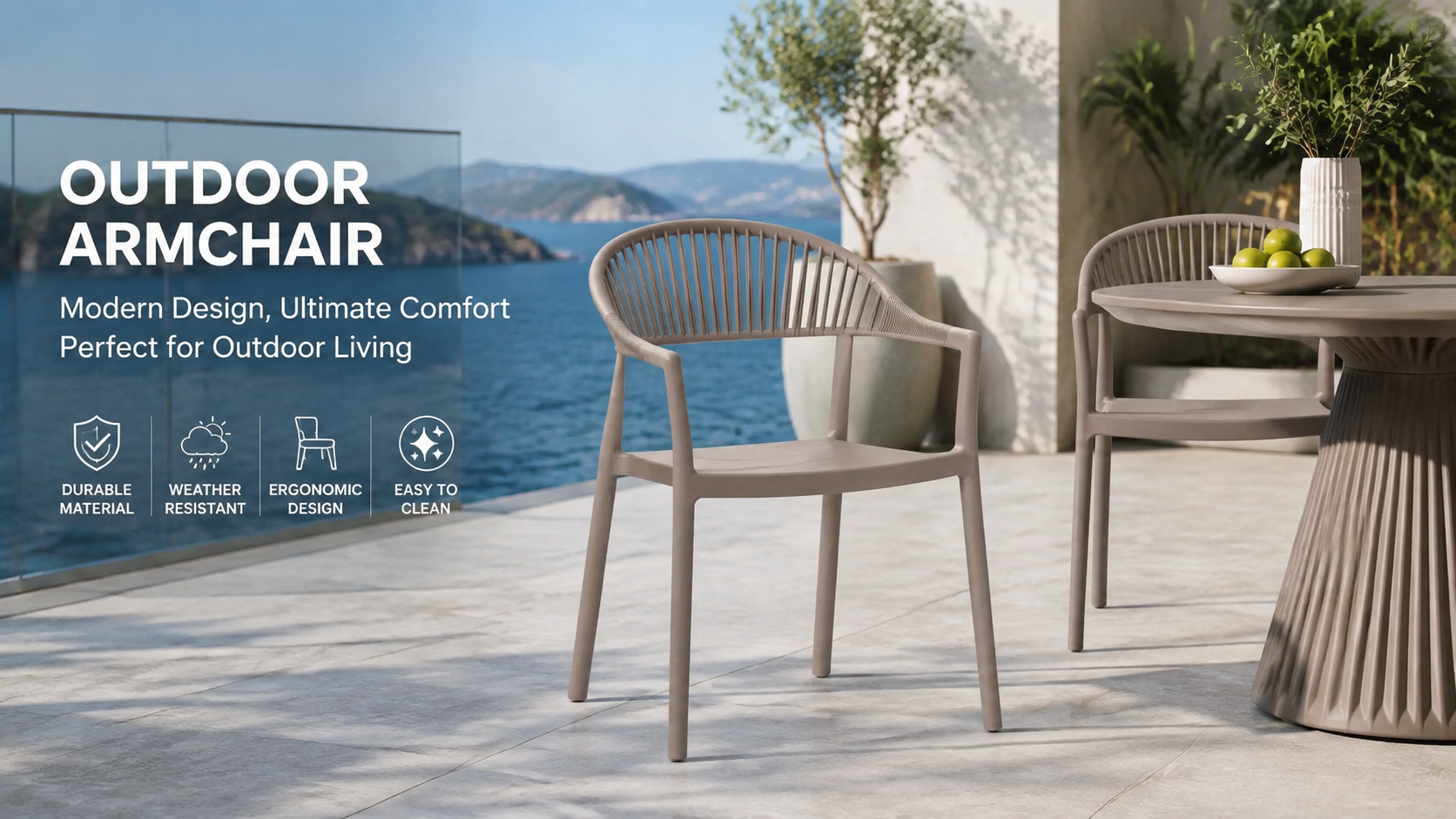
Differentiation is key in the competitive hospitality market, so choose suppliers who offer OEM/ODM customization services. This includes custom colors to match a restaurant’s brand, logo printing for franchise locations, and even custom designs for unique themes. For example, quick-service restaurants may prefer stackable monoblock chairs in brand colors, while high-end casual diners may opt for ergonomic armchairs with woven details. A supplier with strong customization capabilities will help you cater to diverse client needs and stand out from competitors.
5. Delivery Time & Logistics Support
Restaurant projects often have tight deadlines, so reliable delivery is non-negotiable. Partner with suppliers who can guarantee production times of 7–15 days after deposit, depending on order quantity, and offer transparent logistics support. Look for suppliers with experience in B2B export, as they will be familiar with international trade terms (FOB, CIF, DDP), customs clearance procedures, and regional shipping regulations—reducing the risk of delays or compliance issues. Additionally, inquire about packaging options to ensure chairs arrive undamaged, as this minimizes returns and customer dissatisfaction.
How to Choose the Right B2B Supplier for Restaurant Plastic Chairs
The success of your B2B restaurant seating business depends on partnering with a reliable, experienced supplier. Here are the key criteria to evaluate potential suppliers:
-
Manufacturing Experience & Capacity: Choose suppliers with at least 5–10 years of experience in manufacturing commercial plastic chairs for the hospitality industry. Verify their production capacity (e.g., monthly output of 50,000+ units) to ensure they can handle large bulk orders and meet tight deadlines. Request factory audits or production line photos to confirm their capabilities.
-
Quality Control Processes: Reputable suppliers implement strict quality control (QC) measures, including load capacity testing (commercial chairs should support 150kg+), UV resistance testing, and material inspection. Ask for third-party QC reports to verify product quality and ensure consistency across bulk orders.
-
Certifications & Compliance: Ensure the supplier holds relevant certifications (CE, FDA, ISO) and complies with regional safety and environmental standards. This is critical for exporting to欧美 markets and building trust with restaurant clients.
-
Customer Support & After-Sales Service: Look for suppliers who offer responsive customer support (reply within 12 hours) and a clear after-sales policy, such as a 1-year warranty against quality defects. This ensures you can resolve any issues quickly and maintain customer satisfaction.
-
Proven Track Record: Request references or case studies of past restaurant projects the supplier has completed. This includes partnerships with QSRs, cafes, or hotel chains, as it demonstrates their ability to deliver high-quality products that meet hospitality industry needs.
Elevate Your B2B Restaurant Seating Business with Plastic Chairs
Plastic chairs have become the backbone of restaurant seating, offering the perfect balance of durability, functionality, cost-effectiveness, and versatility—all critical for B2B wholesale buyers and hospitality procurement teams. As the global plastic restaurant furniture market continues to grow, fueled by the expansion of quick-service restaurants and the demand for sustainable, space-saving solutions, sourcing high-quality plastic chairs is a strategic investment for your B2B business. By prioritizing material quality, compliance, customization, and reliable suppliers, you can deliver seating solutions that meet the unique needs of restaurant clients, reduce operational costs, and drive long-term profitability.
Whether you’re sourcing for a franchise chain, a local café, or a large-scale hospitality project, plastic chairs for restaurants offer endless opportunities to grow your B2B export business. Partner with a trusted supplier who understands the hospitality industry, and you’ll be well-positioned to capitalize on the growing demand for commercial plastic seating worldwide.
Comment