2026 Global Plastic Furniture Market Trends: Key Insights for B2B Buyers & Exporters
Apr 21,2026
In the dynamic landscape of B2B furniture trade, plastic furniture has emerged as a cornerstone of commercial procurement, driven by its durability, cost-effectiveness, and adaptability to diverse commercial scenarios. As we step into 2026, global market dynamics are evolving rapidly—fueled by sustainability regulations, technological innovations, and shifting regional demand patterns. For B2B buyers, distributors, and project procurement teams, understanding these trends is critical to making informed sourcing decisions and gaining a competitive edge. For exporters, aligning products with these trends is the key to boosting inquiry volumes and securing long-term partnerships.
The global plastic furniture market is projected to grow at a CAGR of 6.8% from 2025 to 2030, reaching $438 billion by 2030, with the Asia-Pacific region contributing over 45% of the growth increment. This growth is not uniform across regions; instead, it is shaped by distinct regional preferences, regulatory frameworks, and industry needs that B2B stakeholders must prioritize.
One of the most impactful trends is the rise of sustainability-driven procurement. Governments and enterprises worldwide are tightening environmental regulations, with the EU’s Circular Economy Action Plan 2.0 mandating that recycled plastic usage in furniture reach 45% by 2027. B2B buyers—especially those in Europe and North America—are increasingly prioritizing suppliers who offer products made from recycled or bio-based plastics, accompanied by credible sustainability certifications (such as CE, ISO, and UL ECOLOGO). For example, recycled polyethylene patio furniture has become a staple in European hospitality projects, while bio-resin materials are gaining traction in high-end commercial spaces. Exporters who integrate recycled materials into their production lines and highlight these credentials in their marketing materials will stand out in a crowded market.
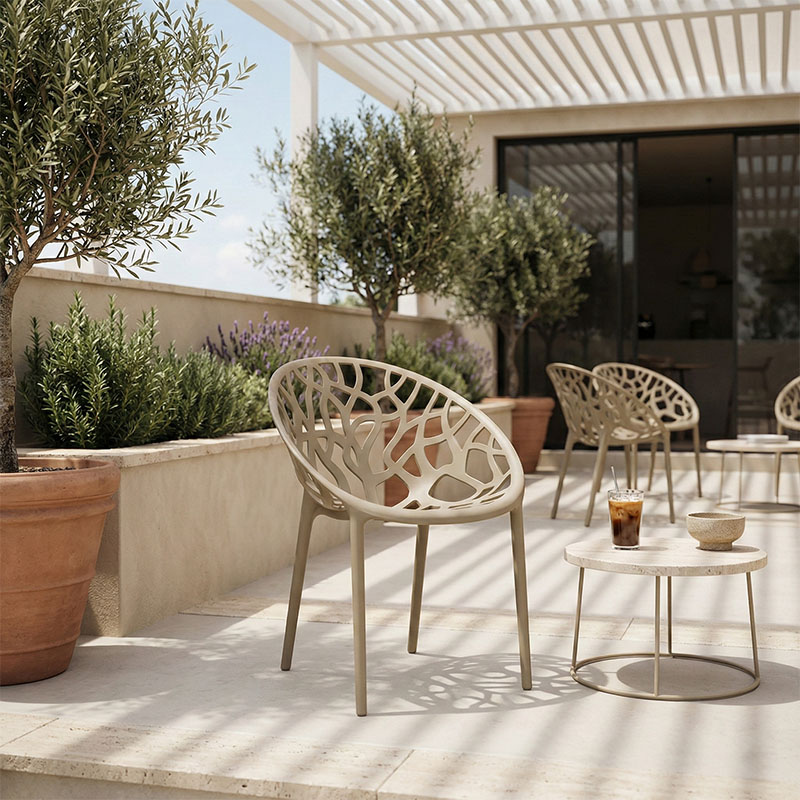
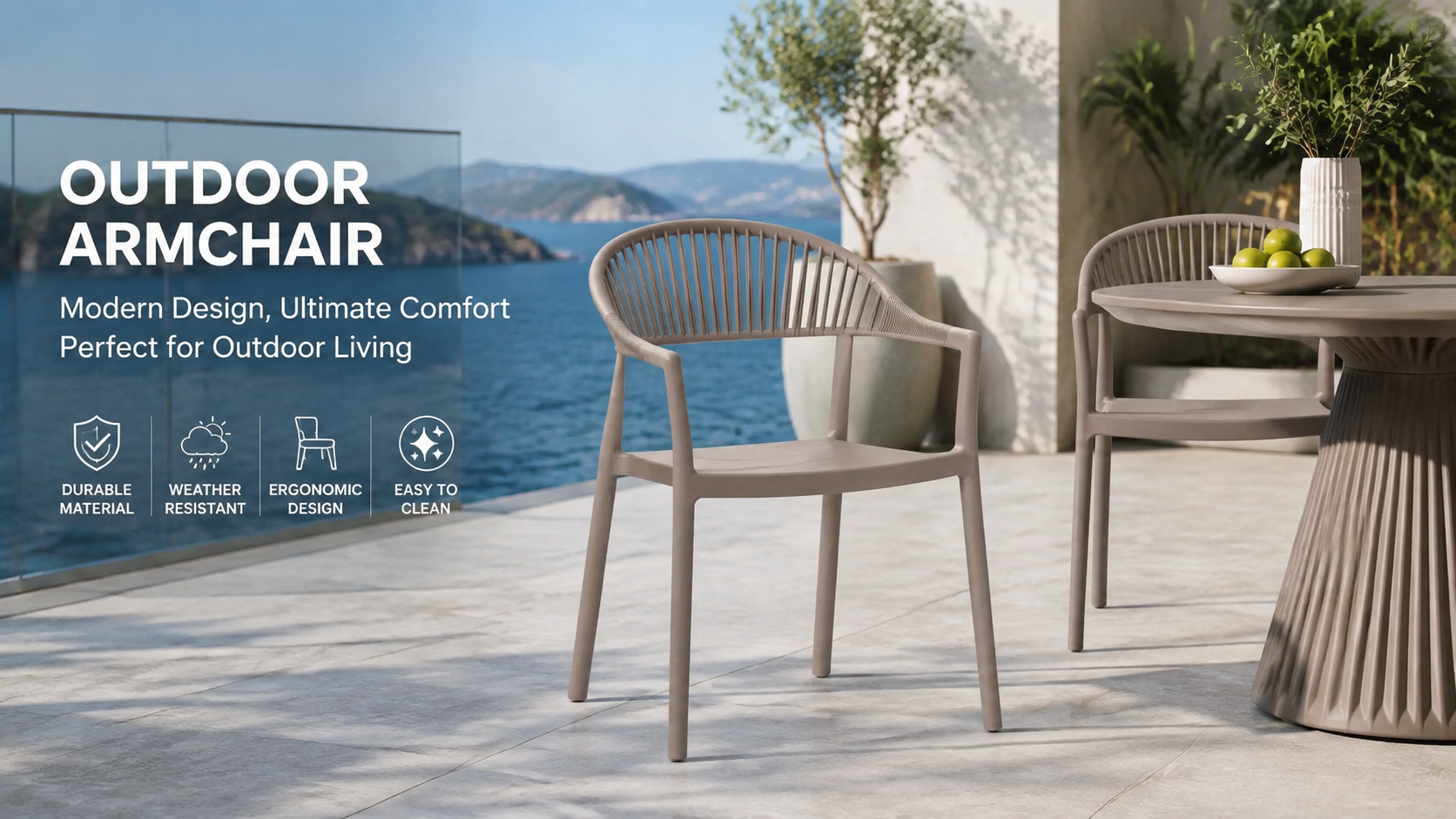
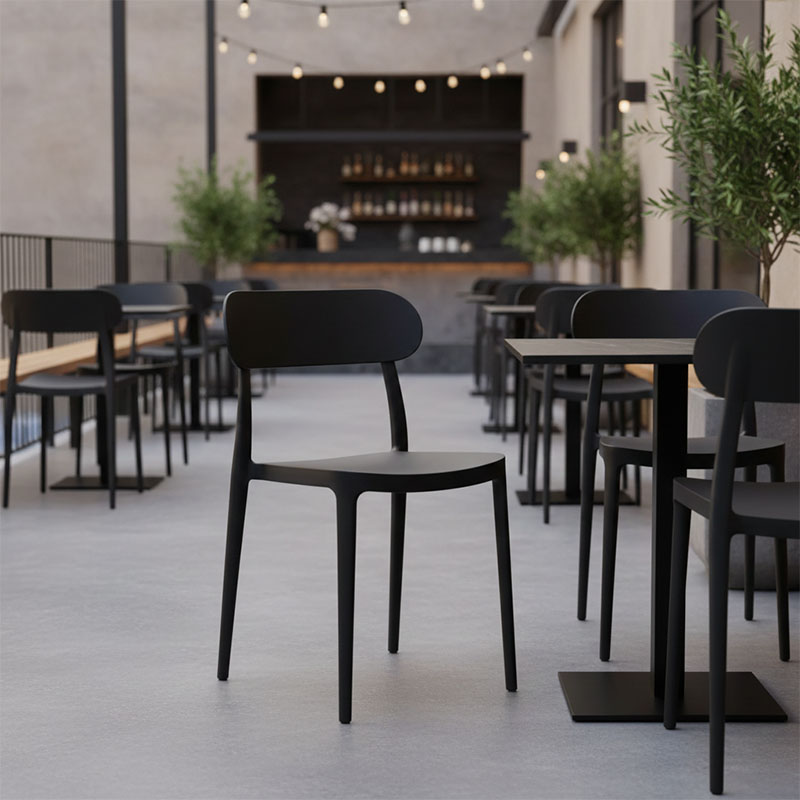
Another defining trend is the demand for functional, space-saving designs tailored to commercial scenarios. Modular and stackable plastic furniture is leading the market, with modular combinations penetrating 32% of the European market and stackable designs accounting for 63% of China’s plastic furniture exports. B2B buyers in the hospitality, education, and healthcare sectors are seeking products that maximize space efficiency—such as stackable PP plastic chairs for cafes and modular dining sets for small restaurants. These designs not only reduce storage and transportation costs but also offer flexibility in layout, making them ideal for dynamic commercial environments. Additionally, ergonomic features (e.g., armrests, woven webbing seats) are becoming a key differentiator, as buyers prioritize comfort alongside durability for long-term commercial use.
Technological innovation is also reshaping the industry, with 3D printing and smart manufacturing driving efficiency and customization. Leading manufacturers are adopting 3D printing to enable rapid customization, with some achieving 72-hour delivery for custom modular pieces and 92% material utilization. Smart plastic furniture, integrated with IoT technology, is gaining traction in North America, where smart outdoor solutions with UV resistance and remote monitoring capabilities are in high demand. For B2B buyers, this means access to more tailored solutions, while exporters who invest in these technologies can offer competitive advantages such as shorter lead times and personalized designs.
Regional market dynamics also present key opportunities for B2B exporters. The Asia-Pacific region remains the manufacturing hub, with China, India, and Vietnam leading in mass production and competitive pricing. However, emerging markets in Southeast Asia, Africa, and Latin America are becoming new growth engines—driven by urbanization, rising middle-class demand, and expanding commercial infrastructure. For example, Southeast Asia’s demand for plastic furniture is projected to exceed 23 billion pieces by 2026, with a focus on affordable, weatherproof products for outdoor and commercial use. Exporters who tailor their products to regional needs—such as UV-resistant designs for the Middle East’s hot climates or cost-effective options for African markets—will unlock new revenue streams.
For B2B buyers, navigating these trends requires partnering with suppliers who can adapt to changing regulations, offer innovative designs, and ensure consistent quality. When sourcing plastic furniture, prioritize suppliers with transparent manufacturing processes, proven certifications, and a track record of delivering bulk orders on time. For exporters, the path to success lies in emphasizing sustainability, functional design, and regional customization—while leveraging digital marketing to showcase these strengths to global buyers.
As the plastic furniture market continues to evolve, staying ahead of these trends will be the difference between securing high-value inquiries and falling behind. Whether you’re a buyer seeking the best sourcing solutions or an exporter looking to expand your global footprint, aligning with 2026’s key trends is the foundation of long-term B2B success.
Comment