What Is PP Plastic Chair? Pros & Cons for Buyers
Jun 07,2026
When shopping for durable, cost-effective seating for homes, cafes, restaurants, event venues, or commercial projects, PP plastic chairs are always the top choice for global buyers. You’ve definitely seen them everywhere: stackable dining chairs, outdoor patio seats, café accent chairs, and lightweight event seating.
But what exactly is a PP plastic chair? Is it better than PVC, HDPE, wooden, or metal seating? What are its real advantages and drawbacks for wholesale, retail, and commercial use?
In this complete guide, we break down everything about PP plastic chairs — material definition, core features, detailed pros and cons, and ideal usage scenarios — to help you make a smart sourcing or purchasing decision.
What Is a PP Plastic Chair?
PP stands for Polypropylene, a lightweight, rigid, and flexible thermoplastic polymer widely used in furniture, packaging, and industrial manufacturing.
A PP plastic chair is a one-piece or assembled seating product made primarily from injection-molded polypropylene resin. Top-grade manufacturers use100% virgin PP material (not recycled mixed plastic) with optional UV-stabilized and anti-aging additives for indoor and outdoor long-term use.
Unlike fragile cheap plastic chairs, qualified PP chairs feature toughness, slight flexibility, and pressure resistance. They can bear repeated sitting pressure without easy cracking or deformation, which makes them the most popular commercial plastic chair worldwide.
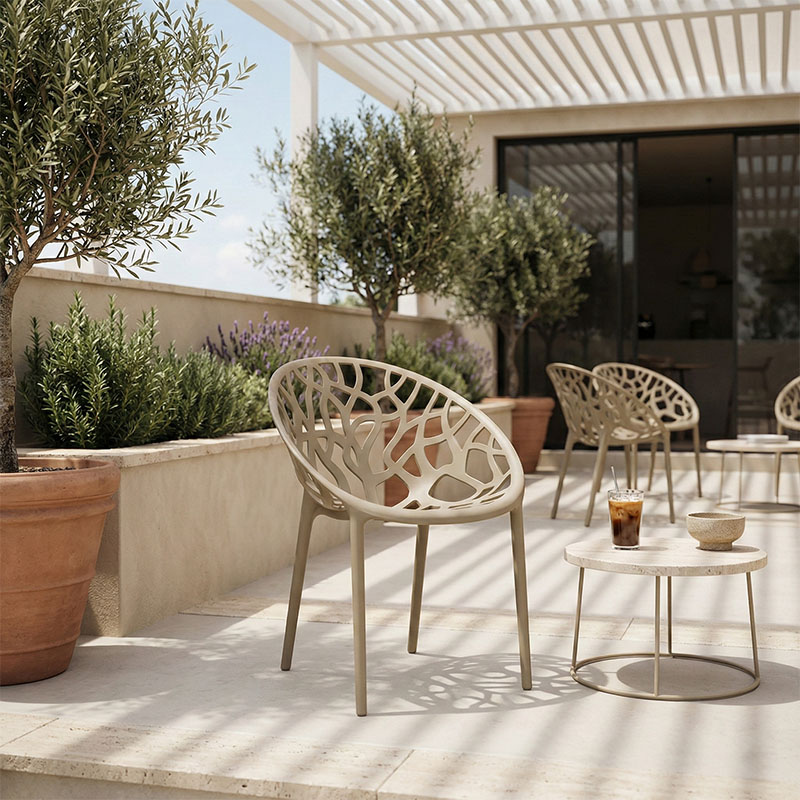
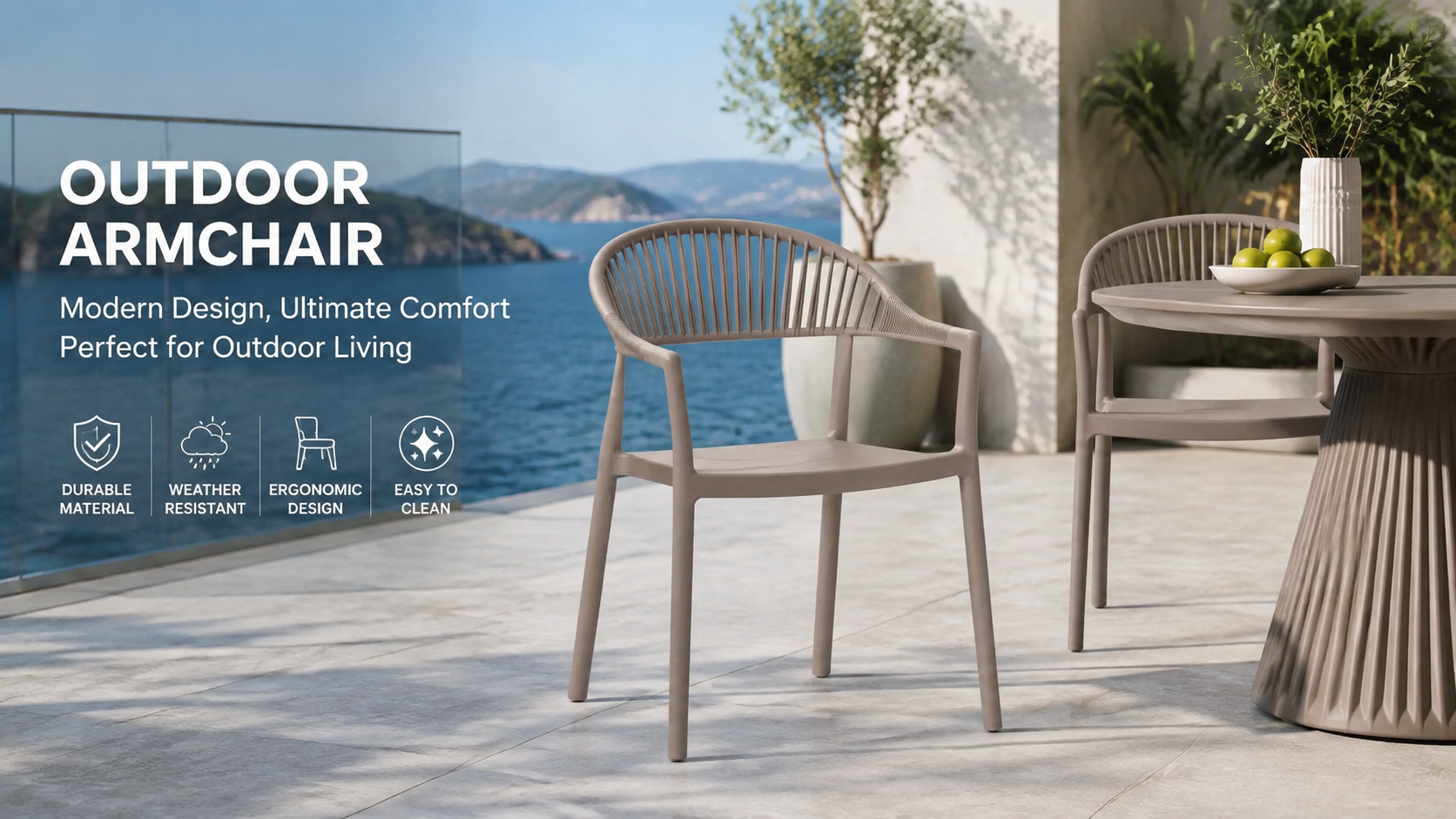
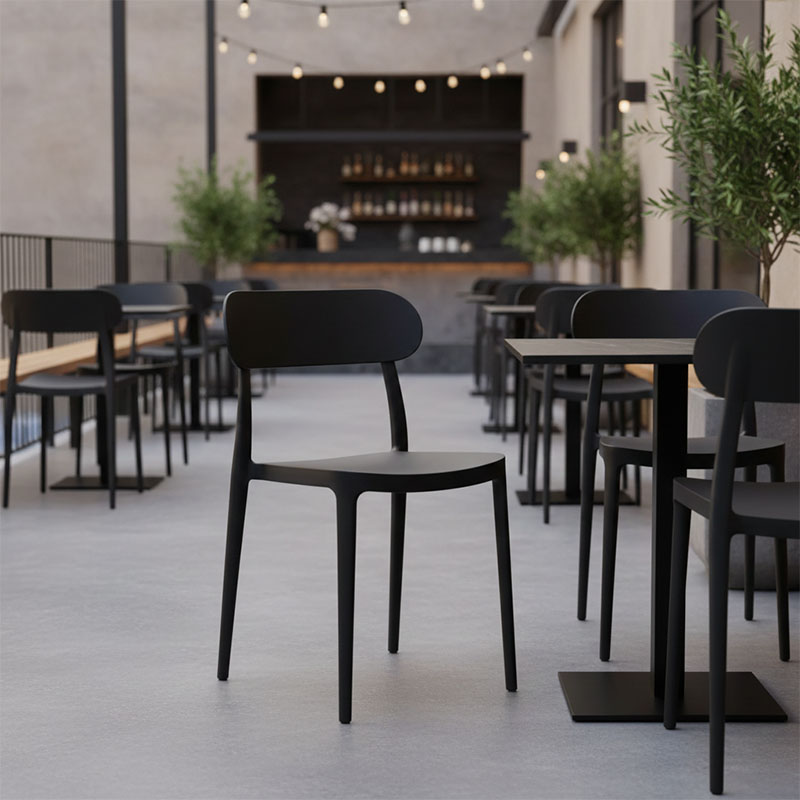
Common PP chair types include stackable dining chairs, armless accent chairs, outdoor patio chairs, café chairs, and event banquet chairs.
Core Characteristics of PP Chair Material
To better understand its pros and cons, here are the key physical properties of virgin PP material for furniture:
-
Low density & ultra-lightweight: Easy to move, stack, and transport
-
Excellent water & moisture resistance: No water absorption, never rot or rust
-
Chemical corrosion resistance: Tolerates daily detergents, weak acids, and alkalis
-
Good fatigue resistance: Withstands long-term repeated pressure and shaking
-
High-temperature resistance: Stable under temperatures up to 100°C
-
Modifiable formula: Can add UV inhibitors, anti-aging agents, and color fastness additives
Key Pros of PP Plastic Chairs (Why They Sell So Well)
1. Super Lightweight & Space-Saving
PP is one of the lightest furniture-grade plastics. A standard PP dining chair weighs only 3–5 KG, making it easy to carry, rearrange, and stack. Most PP chairs are fully stackable, saving 60%+ storage space for warehouses, restaurants, and event rental businesses. This also greatly reduces logistics and shipping costs for bulk buyers.
2. Waterproof, Rustproof & Weather-Resistant
Unlike wooden chairs that rot and metal chairs that rust, PP plastic is 100% non-absorbent. It perfectly adapts to humid kitchens, rainy outdoor patios, poolside areas, and seaside venues. With professional UV-stabilized treatment, premium PP chairs resist sun fading, yellowing, and brittleness, supporting years of outdoor use.
3. Zero Maintenance & Easy to Clean
PP chairs have a smooth, non-porous surface that does not hide dust or stains. Daily cleaning only requires a damp cloth or water flushing — no waxing, polishing, or special maintenance needed. This low-maintenance feature is ideal for high-traffic commercial scenarios: cafes, hotels, banquet halls, schools, and public areas.
4. High Cost-Performance & Affordable Bulk Pricing
Thanks to mature injection molding production, PP chairs support mass high-speed manufacturing with stable costs. Compared with upholstered chairs, solid wood chairs, and metal frame chairs, PP chairs offer ultra-low wholesale prices while maintaining qualified load capacity and durability. It is the best cost-effective choice for large-scale bulk purchases.
5. Good Toughness & Pressure Resistance
Virgin PP material has unique flexible toughness. Instead of breaking suddenly like brittle low-grade plastic, it produces slight elastic deformation under heavy pressure and rebounds automatically. Qualified commercial PP chairs can withstand a static load of over 150KG, fully meeting daily family and commercial use needs.
6. Eco-Friendly & Safe
High-quality virgin PP is odorless, non-toxic, and eco-friendly, complying with REACH, RoHS, and FDA safety standards. It contains no harmful volatile substances, safe for families, children’s rooms, and catering spaces. In addition, PP material is recyclable, meeting modern environmental protection requirements.
Cons of PP Plastic Chairs (Limitations You Need to Know)
1. Low-Temperature Brittleness Risk
Common PP material becomes slightly brittle in extreme low-temperature environments. Under severe cold and strong impact, it may crack more easily than HDPE material. This is why high-quality manufacturers adopt modified copolymer PP formulas to improve low-temperature toughness for cold-region markets.
2. Ordinary Heat Resistance (Not for High-Temp Scenarios)
PP chairs can resist daily room temperature and normal hot water, but long-term exposure to high-temperature heat sources (such as direct fire, high-temperature baking) will cause aging and deformation. They are not suitable for high-temperature industrial scenarios.
3. Low-End Versions Have Poor Texture
Ultra-cheap recycled PP chairs have rough surfaces, dull color, and cheap plastic texture, which cannot match the high-end decoration style. However, premium injection-molded PP chairs with fine surface treatment, matte finish, and customized colors can perfectly fit modern minimalist, Nordic, and light luxury decoration styles.
4. Less Damping & Hard Sitting Feel (No Cushion)
Pure plastic PP chairs have no soft cushioning, resulting in a relatively hard sitting feel compared with fabric or leather upholstered chairs. But this problem can be solved by matching with custom seat cushions from manufacturers.
PP Chair vs. Other Materials: Quick Comparison
-
PP vs Wood: PP is waterproof, rot-proof, stackable, and cheaper; wood has better texture but requires high maintenance and is prone to mildew.
-
PP vs Metal: PP is lightweight, rust-free, and quieter; metal is heavier and easy to produce scraping noise.
-
PP vs PVC: PP is non-toxic, odorless, and high-temperature resistant; PVC may contain peculiar smell and harmful ingredients.
Best Scenarios to Use PP Plastic Chairs
Thanks to its balanced advantages, PP chairs are widely applicable for both residential and commercial use:
-
Home use: Dining rooms, balconies, study rooms, temporary guest seats
-
Catering business: Cafés, milk tea shops, restaurants, fast-food stores
-
Commercial venues: Banquet halls, event rental, exhibitions, conference rooms
-
Outdoor spaces: Courtyards, terraces, poolside, garden leisure areas
-
Public facilities: Schools, offices, activity centers
Final Verdict: Are PP Plastic Chairs Worth Buying?
Yes — for 90% of daily and commercial scenarios, PP plastic chairs are the most cost-effective choice.
If you need low maintenance, waterproof durability, stackable space-saving design, and affordable bulk pricing, premium virgin PP chairs are unbeatable. The only situation to avoid is extreme cold industrial environments or high-end luxury scenarios that require ultra-high texture upholstered furniture.
The key to good PP chairs: 100% virgin PP material + UV anti-aging treatment + precise injection molding. Stay away from inferior recycled plastic chairs with hidden quality risks.
FAQ About PP Plastic Chairs
1. Are PP plastic chairs durable?
Yes. High-quality virgin PP chairs can last 3–5 years for outdoor use and 5+ years for indoor use with proper usage.
2. Do PP chairs fade in the sun?
Ordinary recycled PP fades easily. UV-stabilized premium PP chairs effectively resist fading and yellowing under long-term sunlight exposure.
3. Are PP chairs safe for kids?
Absolutely. Food-grade virgin PP is non-toxic, odorless, and compliant with international safety standards, safe for children and pregnant families.
Comment